
By Rod Patterson, MBA
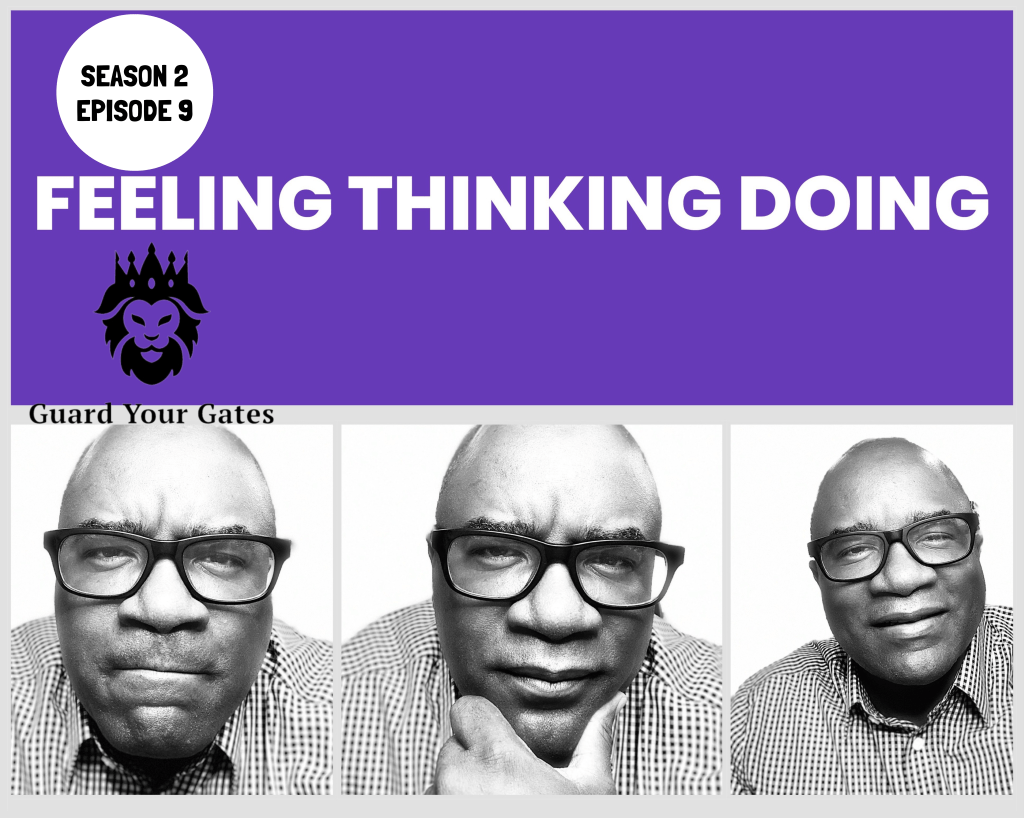
Over a decade ago, my Pastor taught a lesson that has stayed with me ever since. He emphasized the importance of sending our emotions to school, reminding the congregation that we were created to be feeling, thinking, and then doing people. This lesson became particularly poignant whenever I felt overlooked or discriminated against.
When we are insulted, our initial reaction is to feel a certain way. We want to strike back. The challenge lies in not reacting impulsively to the offense. Instead, we must take a moment to think. Consider the ramifications of your actions. Reflect on whether you might be hypersensitive to the situation. Deliberate on what your response should be. Should you address the offense? Not all offenses require a response. If you decide to address it, how should you go about it? After giving yourself the appropriate amount of time to think and possibly consult with a mentor, it is then time to act.
There are moments when overlooking an offense is not an option. You must take action or speak up. This is crucial because silence or inaction can have a significant impact on the broader community. As Scripture says, “faith without works is dead” (James 2:26).
This framework has helped me navigate rough terrains in both business and personal environments. Have you ever rearranged this order? Act first before thinking and feeling bad about it later? Yeah, we all have. Not pretty.
In the words of John Maxwell, “The greatest day in your life and mine is when we take total responsibility for our attitudes. That’s the day we truly grow up.” And as Peter Drucker wisely noted, “Management is doing things right; leadership is doing the right things.” By managing our emotions and responses correctly, we ensure our actions are appropriate and measured. However, true leadership involves taking the right actions, especially when addressing offenses or injustices.
Remember, feel—acknowledge what you are experiencing in this moment. Then think. Give time to reflect. Finally, respond!
 Guard Your Gates